
As outlined in CSBA is like Financial Rebar, CSBA helps clients expand profit opportunities by strengthening their bond programs. Through powerful surety support, CSBA has helped construction companies expand markets, stabilize operations, avoid pitfalls, boost volume, and increase profits. At the foundation of that strength are your financial statements.
Why Financial Statements Matter
The most significant documents a surety underwriter reviews are the construction company’s financial statements. Decisions regarding the approval of a particular job, total bond volume, and premium rates are based on these reports. Poorly prepared or inaccurate financials can negatively impact your bonding potential.
Much of our time with clients is spent ensuring these documents accurately reflect their business. Before diving into advanced reports and schedules, let’s establish the foundation: the Income & Expense Statement and the Balance Sheet.
Why Financial Statements Matter
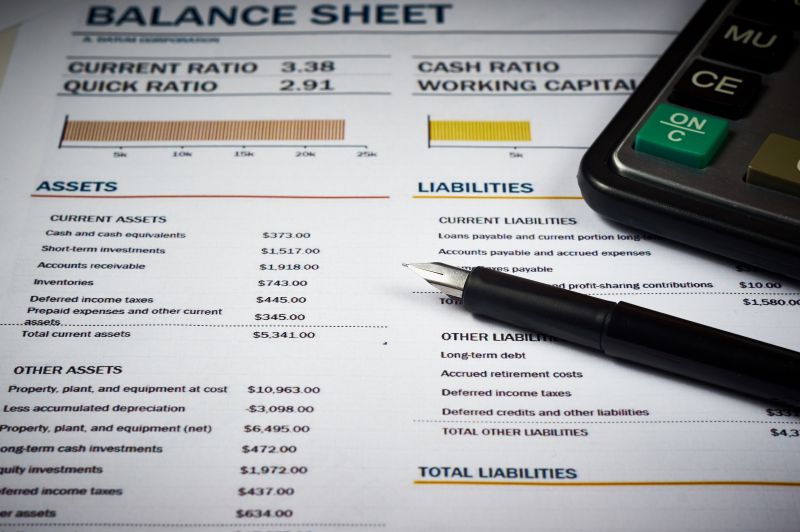
The Balance Sheet provides a snapshot of your construction business at a specific date. It outlines what you own (assets), what you owe (liabilities), and what is left over (equity).
- Current Assets: This includes cash in the bank and accounts receivable.
- Fixed Assets: This covers trucks, construction equipment, real estate, and other long-term property.
- Current Liabilities: These are debts due within 12 months, such as loan payments, material bills, and subcontractor payments.
- Long-Term Liabilities: This includes mortgages or other debts with payments extending beyond a year.
Total Assets minus Total Liabilities equals Equity. This equity serves as your company’s financial foundation and is a key measure of its strength and stability.
The Income & Expense Statement
Unlike the Balance Sheet, the Income & Expense Statement (or Profit & Loss Statement) covers a period of time rather than a single day. This period always ends on the same date as the concurrent balance sheet. It’s good practice for construction companies to review these monthly.
At the top of the statement is Income (Revenue). Income can be measured in different ways:
- Cash Basis: Income and expenses are recorded only when cash is received or paid. This method is rarely suitable for a construction business, where projects extend over time and involve delayed payments.
- Accrual Basis: Income is recorded when earned (invoiced), rather than when paid. This method provides a more accurate picture of ongoing operations and forms the basis of construction accounting.
Next are Direct Costs, which include all costs directly tied to performing the work, such as materials, labor, and subcontracted costs. Income minus Direct Costs equals Gross Profit. Dividing Gross Profit by Income provides your Gross Margin Percentage, a helpful metric for evaluating your bidding and pricing practices.
Below this are General and Administrative (G&A) Expenses—the overhead costs not tied to a specific job, including rent, insurance, and office staff. Finally, Net Profit is calculated by subtracting G&A Expenses from Gross Profit. Dividing Net Profit by Income yields a quick performance ratio that can be compared against prior years or industry benchmarks.
How It All Connects
When both reports are properly prepared, they tie together seamlessly. The Equity section of the Balance Sheet adjusts up or down by the exact amount of Net Profit or Loss shown on the Income Statement. This linkage makes financial reporting both precise and informative.

Conclusion
Accurate, consistent, and timely financial reporting is highly valuable. While it is important for the underwriter’s consideration, it is equally important for your construction company to use this data for decisions related to bid accuracy, work in progress, profitability, and growth.
CSBA welcomes the opportunity to analyze your company’s financial statements. We can often provide straightforward recommendations to improve your reporting, acting as the “financial rebar” to significantly increase your strength both as a company and for your surety program.

Get a payment bond quote now
We want to know more about how we can help your construction company get the right contractor bond for your next project.